
01 / 17Overview
Foundation Repair Around Murfreesboro, Explained
Foundation repair is the broad work of restoring support to a house whose footing, slab, piers, or walls have shifted. In and around Murfreesboro, homes sit on a wide mix of conditions: shallow clay soils that swell when wet and shrink in dry summers, pockets of fill on newer lots, and limestone that can sit close to the surface in some neighborhoods and far below it in others.
Because those conditions vary from one street to the next, a good repair starts with diagnosis rather than a product. This page explains what a general foundation repair visit looks at, the methods that may be recommended, and how to decide what to do next. If you already know the problem is in a crawl space, a basement, or a slab, the linked service pages go deeper.
Signs a Foundation Needs Attention
- Interior doors that rub, swing open on their own, or no longer latch
- Stair step cracks in brick or block, especially near corners and windows
- Floors that slope, bounce, or feel uneven underfoot
- Gaps opening between walls and ceilings, trim, or window frames
- Drywall cracks that return after being patched and painted
What a Foundation Repair Plan Covers
A typical plan addresses three things in order: where the house is moving, what is causing it, and which method will carry the load reliably. Movement is mapped with elevation readings taken across the floors, along with notes on cracks, doors, and drainage.
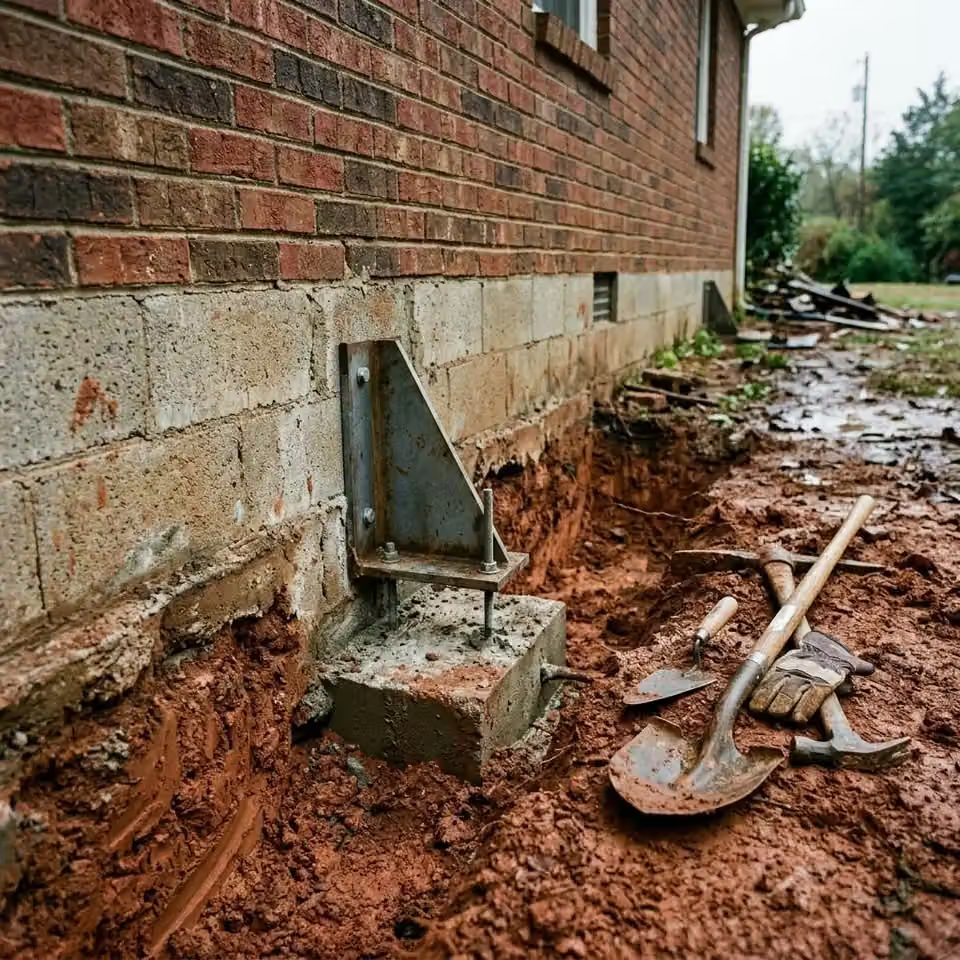
Causes often include water collecting against the foundation, soil drying and shrinking under one side of the home, or footings resting on soil that was never compacted well. The repair might be piers that reach firmer ground, new supports in a crawl space, wall bracing in a basement, drainage changes, or a combination.
How the Process Usually Unfolds
- 01
Phone conversation
You describe what you are seeing and when you first noticed it. That helps decide what to look at first.
- 02
On site assessment
Floors, walls, exterior masonry, grading, gutters, and any crawl space or basement are inspected and measured.
- 03
Written recommendation
You receive a plain explanation of the likely cause, the proposed method, and the areas of the home involved.
- 04
Repair and review
Work is completed in the agreed areas, followed by a walk through so you can see what was done and where.
Choosing Between Repair Methods
No single method suits every house. Piers are suited to footings that need to reach deeper bearing soil. Crawl space supports suit sagging floor framing. Drainage correction suits movement driven by water. Many homes need a pairing, such as piers along one wall plus regrading so the same soil does not keep getting soaked.
Ask any contractor to explain why a method fits your home specifically. A clear answer, tied to measurements and observations, is a good sign the plan is grounded in your house rather than in a sales sheet.