
03 / 17Overview
Foundation Settlement Repair Around Murfreesboro, Explained
Every house settles a little after it is built. Problem settlement is different: one corner or one wall keeps going down because the soil under it cannot hold the load. In Middle Tennessee that often traces back to clay that shrinks as it dries, poorly compacted fill, or water softening the ground near a downspout.
Settlement repair aims to stop that downward movement and, where practical, lift the affected section back toward its original position. It is one of the most common reasons homeowners call about foundation repair.
Settlement Clues Around the House
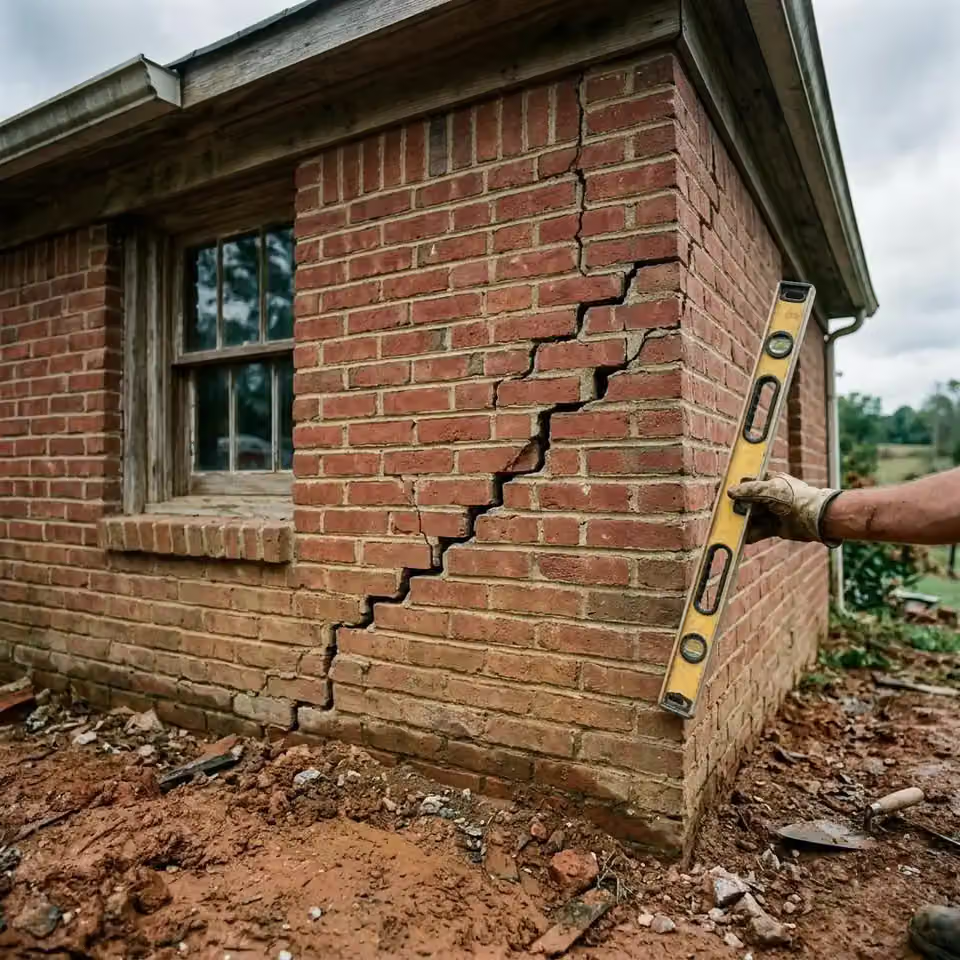
- Diagonal or stair step cracks in brick running away from a corner
- Cracks that are wider at the top than at the bottom, or the reverse
- Windows and doors that bind on one side of the home only
- A chimney beginning to lean away from the wall
- Gaps where a porch or stoop meets the house
How Settlement Is Addressed
The usual fix transfers the weight of the settled section past the weak soil to deeper, more competent ground. Steel push piers and helical piers are the two most common ways to do that. Both attach to the footing with a bracket and are then used to support, and sometimes lift, the foundation.
Settlement rarely has a single cause. A plan may also include gutter and downspout changes or regrading, because a pier stabilizes the house but does not dry out the soil that let it sink.
From First Look to Stable Footing
- 01
Map the movement
Elevation readings and crack patterns show which section dropped.
- 02
Excavate at the footing
Small holes are dug at planned pier locations along the affected wall.
- 03
Install piers
Piers are advanced to bearing soil or rock and tied to the footing with brackets.
- 04
Restore and backfill
The section is supported or lifted as planned, and soil is returned and compacted.
Lift Expectations and Finishes
Not every settled home can or should be lifted all the way back. Older settlement may have been accommodated by years of remodeling, and forcing it back can create new cracks. A good plan explains whether the goal is stabilization, partial recovery, or full lift.
Brick cracks often close noticeably during lifting. Remaining gaps can then be repointed by a mason once the structure is stable.