05 / 17Overview
Pier and Beam Repair Around Murfreesboro, Explained
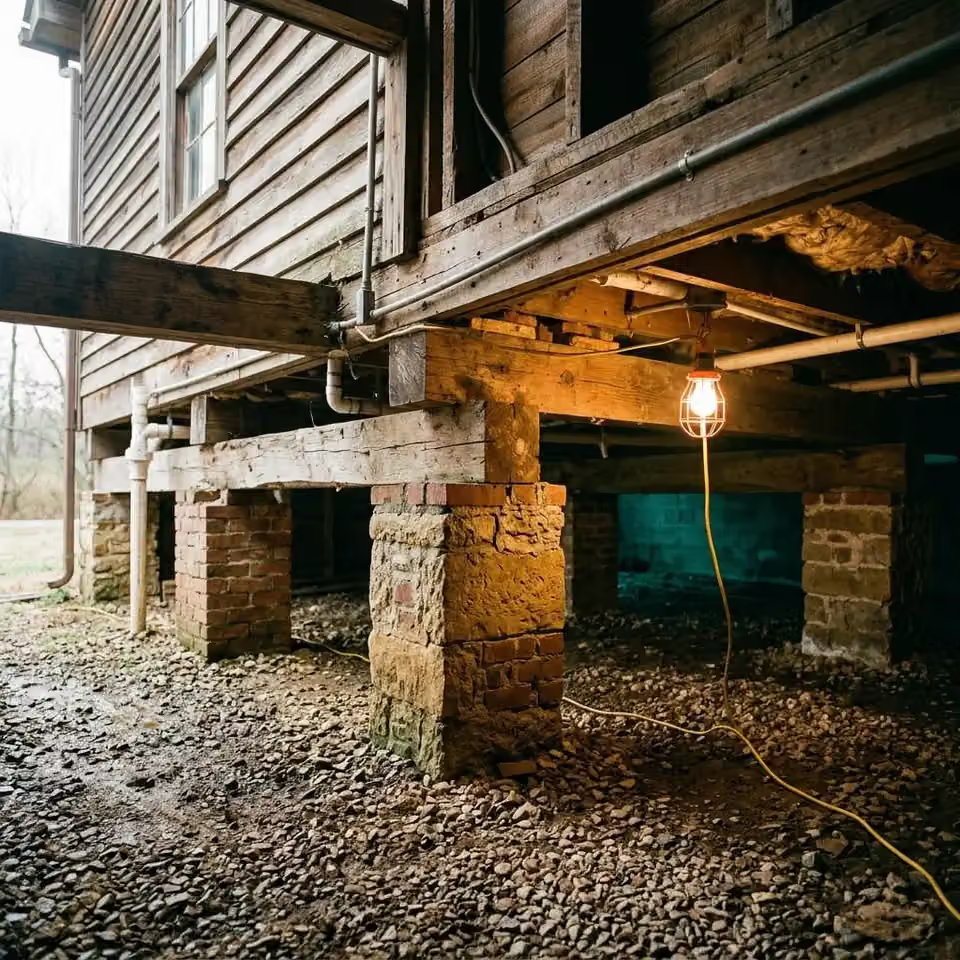
Pier and beam foundations lift the house off the ground on masonry or concrete piers, with wood beams spanning between them and joists carrying the floor. They are common on older homes and are well suited to adjustment, since everything is accessible from below.
Over decades, piers can lean, crack, or sink into softened soil, and beam ends can decay where they sit on damp masonry. Pier and beam repair restores that grid so each part carries its share of the load.
Problems Seen Under Pier and Beam Homes
- Piers that lean, have loose block, or have sunk below their neighbors
- Shims that have crushed, slipped, or rotted between pier and beam
- Beam ends darkened or soft where they rest on masonry
- Wide spans where the floor bounces between supports
- Floors sloping toward a single failing pier
Typical Pier and Beam Repairs
Repairs often include rebuilding or replacing individual piers on proper footing pads, resetting beams with durable shims, and adding intermediate piers where spans are too long. Damaged beam sections can be reinforced or replaced.
Because the whole grid works together, repairs are planned with the floor elevation in mind. Fixing one pier without considering its neighbors can simply move the low spot.
How the Grid Is Restored
- 01
Inventory of supports
Each pier and beam connection is checked for condition and elevation.
- 02
Temporary shoring
Beams are supported while failing piers are removed or rebuilt.
- 03
New piers and pads
Replacement piers are set on suitable footings at planned spacing.
- 04
Reset and shim
Beams are brought to the planned height and secured on their new supports.
Moisture and Long Term Performance
Pier and beam homes do best when the ground underneath stays reasonably dry. Gutters, grading, and a ground cover help keep footing pads firm and wood dry.
Periodic checks are worthwhile on these homes, since small adjustments are easier than major corrections years later.