
15 / 17Overview
Basement Foundation Repair Around Murfreesboro, Explained
Basements are less common than crawl spaces in parts of Rutherford County, but where they exist they face pressures other foundations do not. Saturated clay pushes sideways against the walls, footings can settle, and water finds every crack.
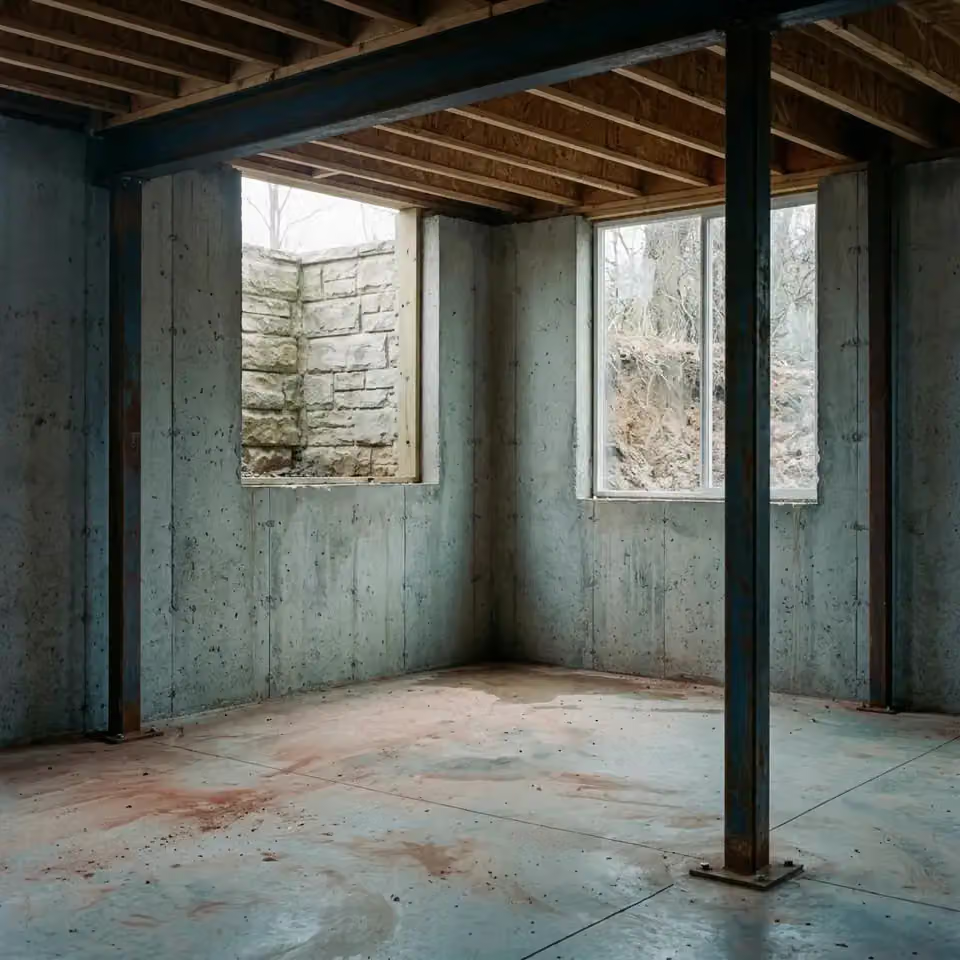
Basement foundation repair covers the walls, footings, and floor of the basement, combining structural fixes with water management where needed.
Common Basement Concerns
- Horizontal or stair step cracks in basement walls
- Walls leaning inward or bowing at mid height
- Water entering at the wall and floor joint
- Basement floor cracks that lift or settle
- Doors at the top of basement stairs binding
Basement Repair Options
Depending on what is found, repair may include piers under settled footings, wall bracing for walls pushed by soil pressure, crack injection, and drainage improvements inside or outside.
Finished basements need extra planning, since walls may need to be opened in selected areas to inspect and repair.
Basement Repair Process
- 01
Inspect walls and floor
Cracks, alignment, and moisture are measured and recorded.
- 02
Determine the cause
Settlement, soil pressure, or water is identified as the main driver.
- 03
Repair the structure
Piers, bracing, or crack repairs are completed.
- 04
Manage water
Drainage or waterproofing is added where needed.
Planning Around Finished Spaces
If your basement is finished, note where cracks or damp spots appear and which rooms are affected. That helps limit how much finish needs to be opened.
Repairing structure before finishing a basement is far easier than repairing it after.
Basement problems also tend to be connected. A settled footing can crack a wall, the crack lets in water, and the water softens the soil further. Looking at the basement as a whole, rather than chasing each symptom separately, usually leads to a more lasting repair and fewer return visits for the same concern.